What Kernel Bypass Actually Buys You (And When It's Worth It)
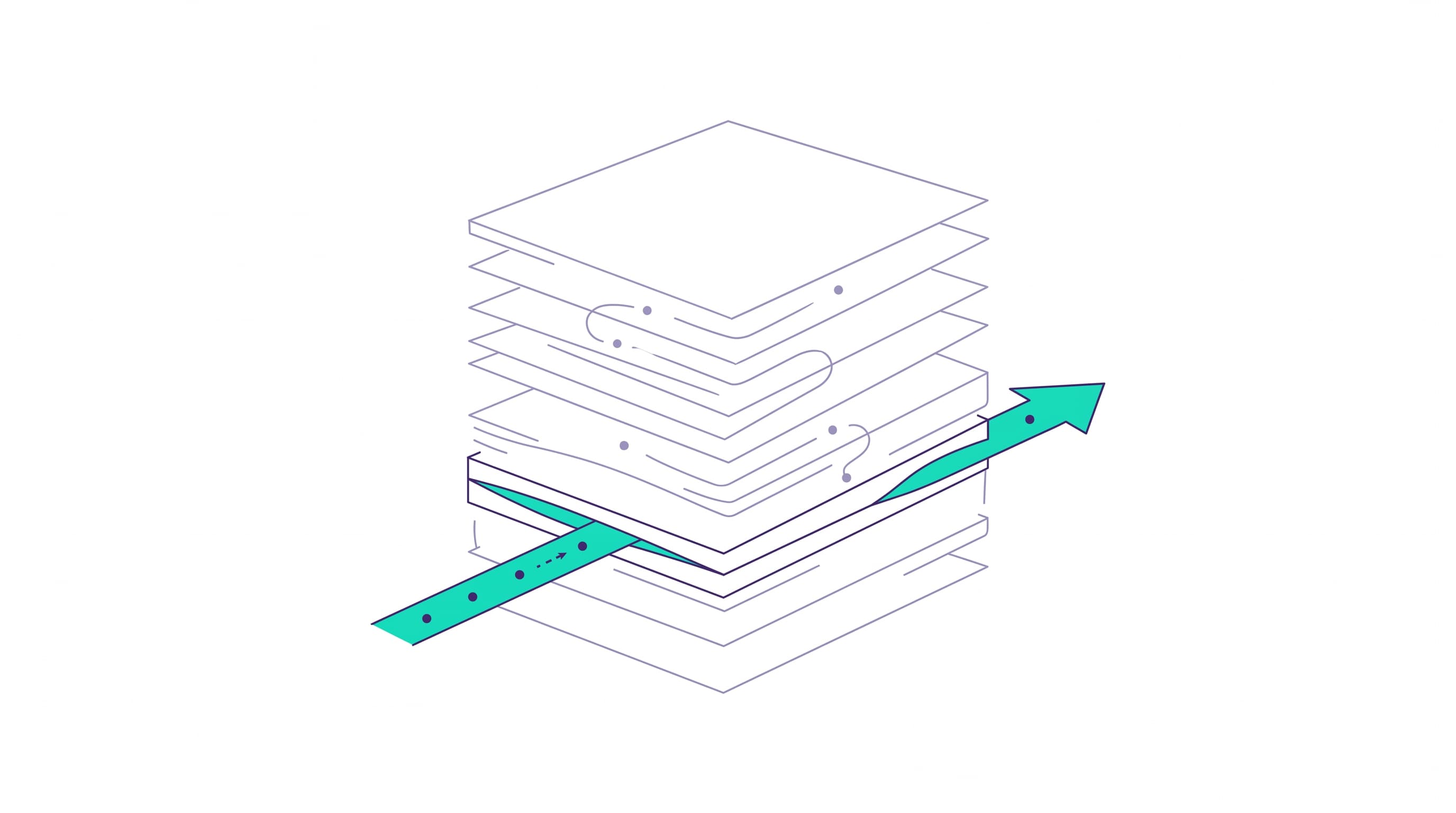
Every packet that crosses the standard Linux networking stack pays a small tax — context switches, interrupt handling, several layers of protocol processing — and at ordinary request volumes that tax is invisible. At millions of packets per second, it stops being invisible and starts being the bottleneck. Kernel bypass exists to route around exactly that tax, and eBPF with XDP has become the standard way to do it without the operational cost of a fully dedicated userspace networking stack.
Why XDP specifically, and not full bypass
XDP runs a BPF program as early as possible in the packet's life — essentially at the network driver, before the kernel's normal networking stack gets involved — which lets it make a keep, drop, or redirect decision at line rate, right where the packet lands. The advantage over a fully dedicated bypass approach like DPDK is that it doesn't require handing exclusive ownership of a NIC or CPU cores over to userspace; normal kernel networking keeps working for everything that doesn't need the fast path, and the eBPF program runs inside the existing kernel framework instead of replacing it. That matters operationally — it's a targeted optimization you can apply to one workload, not an architecture you have to commit the whole machine to.
Where this actually pays off
The production use cases that justify this complexity share a pattern: high-frequency trading infrastructure, core routers, high-speed load balancers, and DDoS mitigation — anything where the traffic volume is high enough, and the value of each microsecond of latency is high enough, that the engineering cost of kernel-level packet processing is worth it. Below that threshold, it isn't. Writing and maintaining eBPF programs, reasoning about BPF verifier constraints, and debugging issues that live below the normal application stack is real, specialized engineering effort — the kind that only pays for itself when the alternative is measurably losing money or losing a race on every extra millisecond.
- XDP intercepts packets at the driver level, before the standard kernel networking stack processes them — that's where the latency savings comes from.
- It coexists with normal kernel networking instead of replacing it, unlike a full DPDK-style bypass.
- AF_XDP-based applications can process tens of millions of packets per second in software, with NUMA-aware placement and batched syscalls doing much of the remaining work.
- The engineering cost is real and specialized — this is worth reaching for at trading-infrastructure or core-router scale, not for a typical web backend.
The honest pitch for kernel bypass isn't "faster networking" in the abstract — it's a specific tool for a specific bottleneck, worth the operational complexity only when the traffic volume and the value of each microsecond both justify it. For everything below that bar, the standard kernel stack was already fast enough, and the eBPF program is solving a problem you don't have yet.