Applied engineering writing, not marketing — LLMs, computer vision, agentic systems, generative AI, and the infrastructure underneath all of it.

Classifying support tickets, deduplicating leads, and tagging documents don't need a frontier model — and running them through one anyway is costing teams accuracy, not just money.
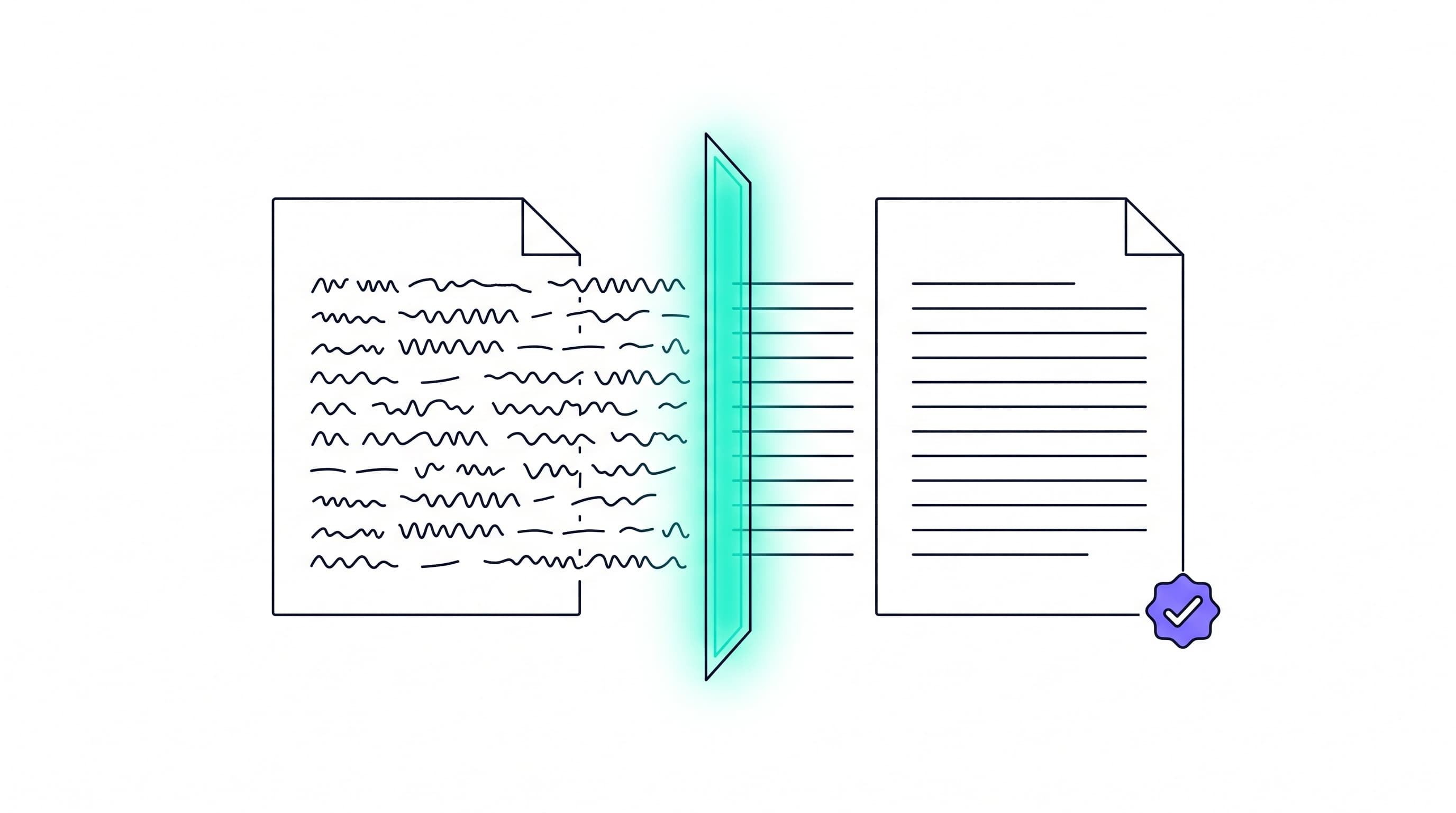
Vision-language models can read a document image directly, which makes it tempting to skip OCR entirely. In production, that shortcut is where document pipelines quietly start failing.
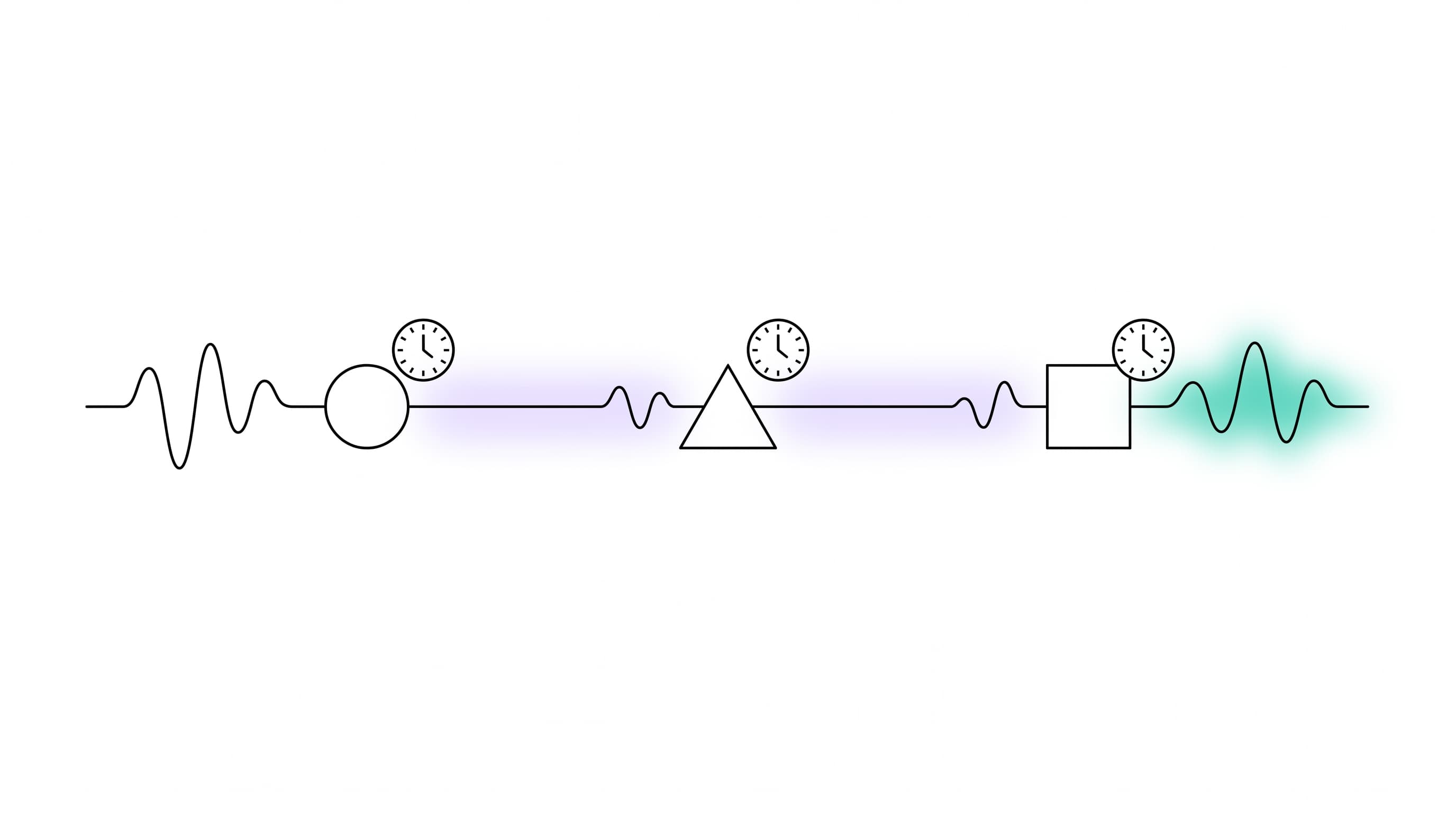
Teams debugging a sluggish voice agent almost always look at the LLM first. The actual latency budget is usually being spent somewhere else entirely.
A geospatial model that scores well in validation and then falls apart the moment it sees a different city isn't unlucky — it's the default outcome unless the pipeline is built to expect it.
eBPF and XDP get pitched as a universal performance upgrade. The honest version: kernel bypass is a serious engineering commitment that only pays off at a specific kind of scale.
Most retrieval-augmented generation systems don't fail because the vector search is bad. They fail because nobody defined what a correct answer looks like.
A model that hits 94% mAP in the notebook and falls apart on the factory floor isn't a modeling failure — it's a data pipeline failure that happened months earlier.
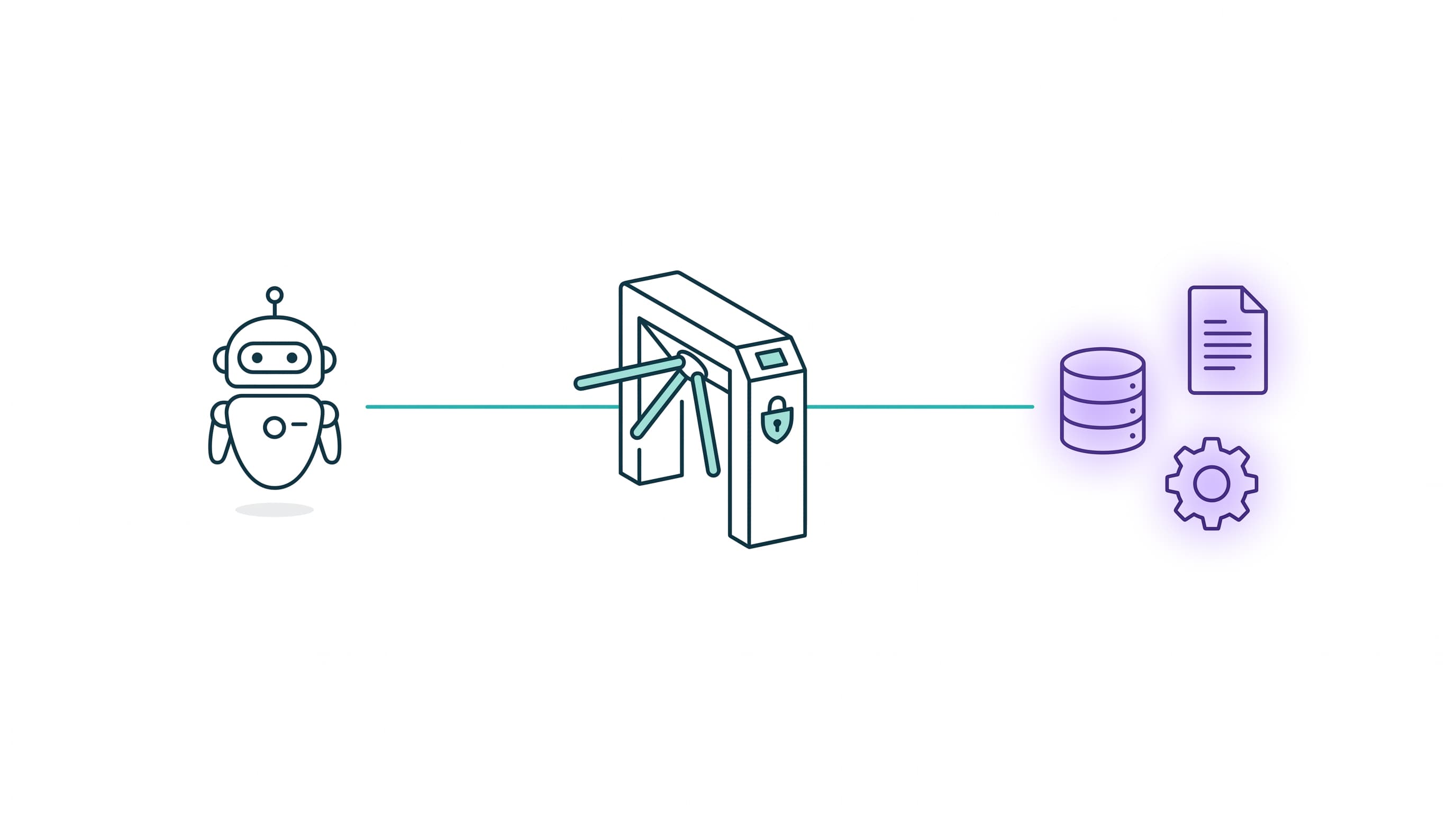
Every AI agent demo can call a tool. The hard part is doing that safely, with real permissions, against a system that has customers depending on it.
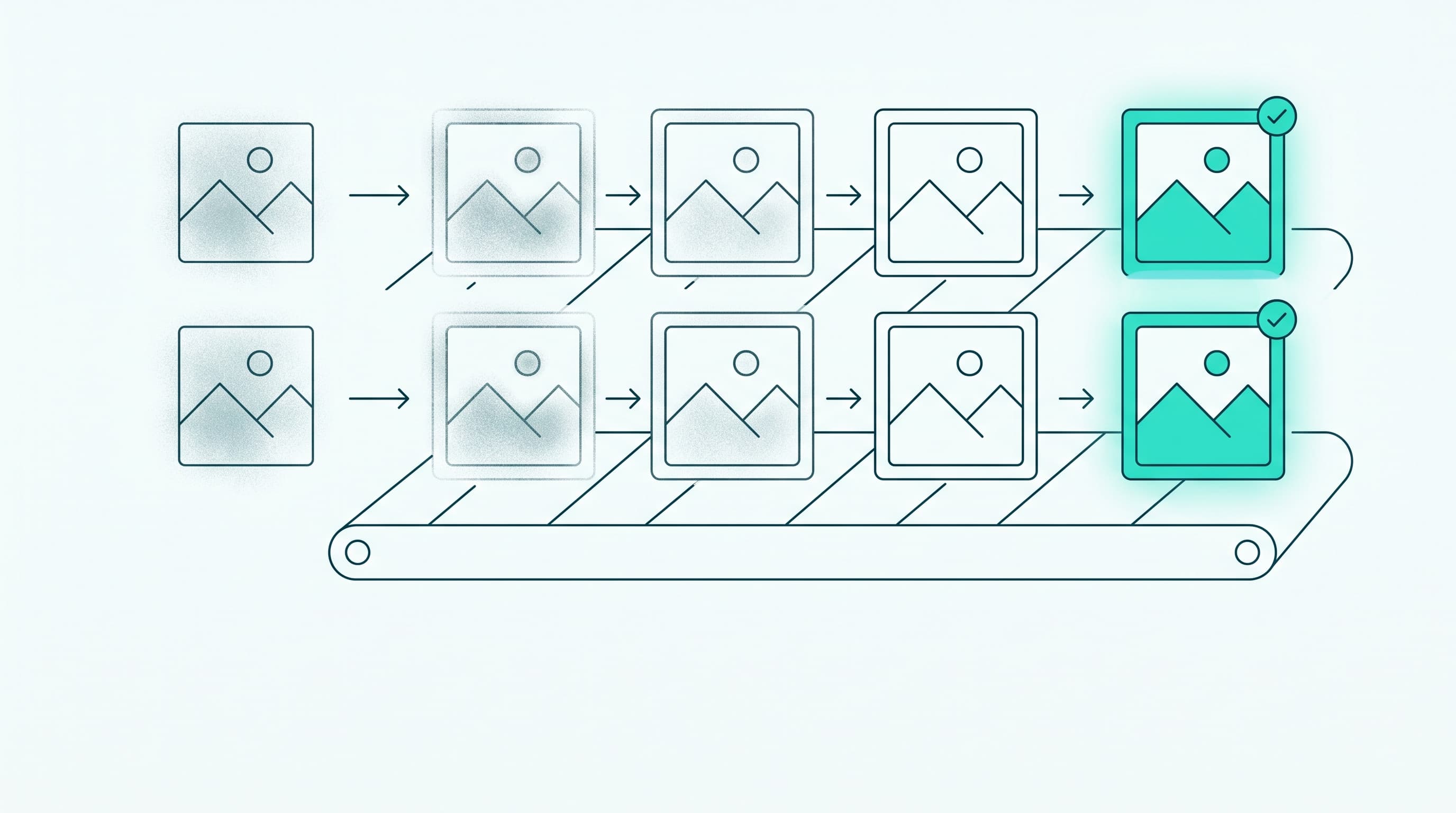
Fine-tuning a diffusion model to match a brand is the easy part. Making it reliable enough to publish without a human checking every image is the actual product.
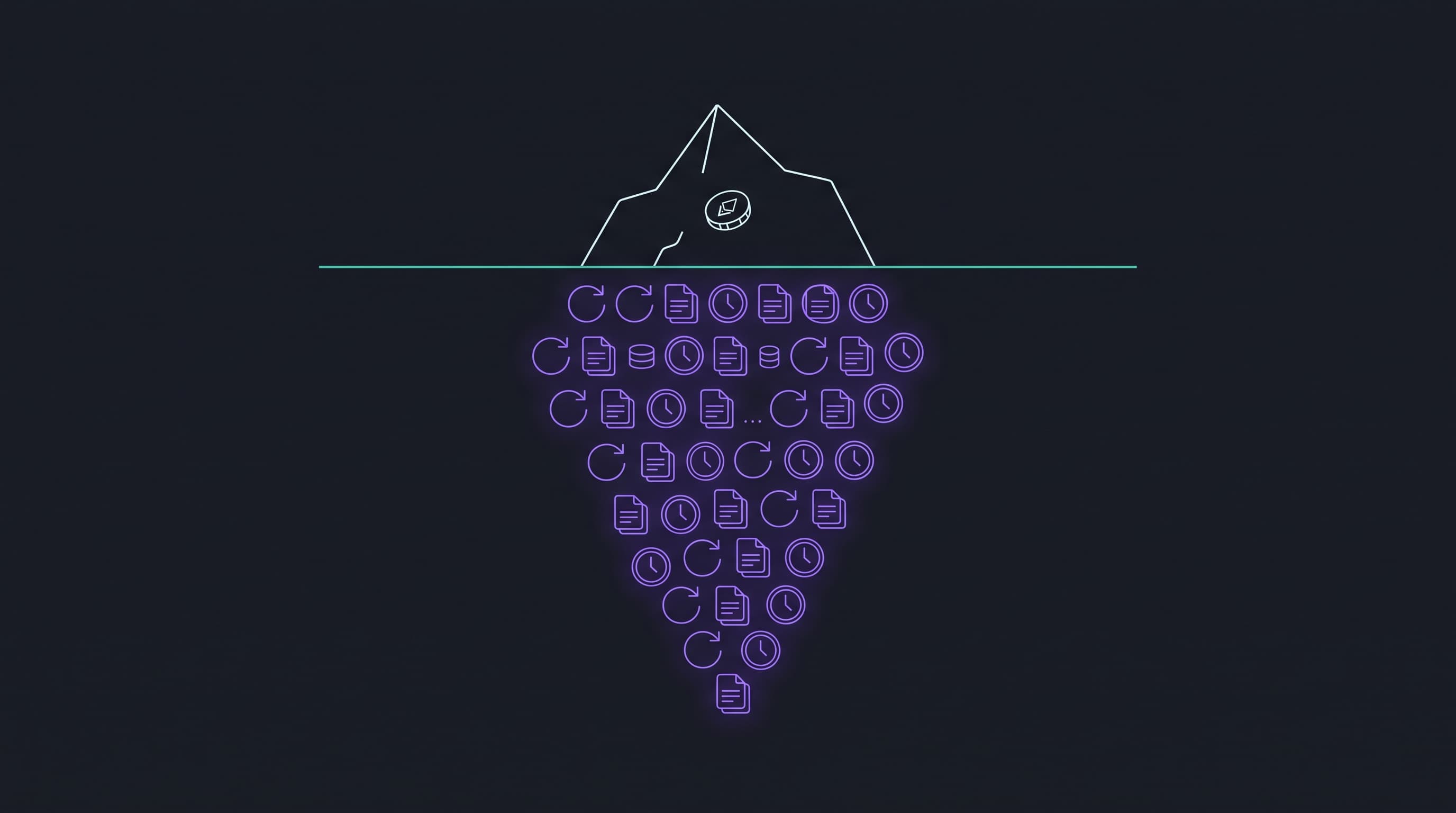
Token pricing is the smallest line item in most LLM infrastructure bills. The real costs hide in retries, over-provisioned context, and eval you're not running.
Teams will spend months on prompt engineering and days on evaluation. That ratio is exactly backwards, and it's why so many LLM features stall in review.